
Open Museum.art
The human-facing side of the open-museum engine. The same federated search an AI agent can run, opened up for people to use directly: search the world's open-access collections, order prints of public-domain works, and, for artists, list your own work for discovery and print-on-demand.
Open Museum.art is the human-facing side of the open-museum engine. The same federated search an AI agent can already run through open-museum-mcp, opened up for people to use directly in a browser: search by artist, period, region, or date, see each work full and uncropped, and copy a citation you can trust.
What it is for
Two things. The first is search and prints. Anyone can search the world's open-access collections, and order prints of the public-domain works they find, with the right to do so carried by the work itself. The second is artists. Open Museum.art is becoming a place for artists to list their own work for discovery, on the print-on-demand setup we are building around it.
The artwork is the hero
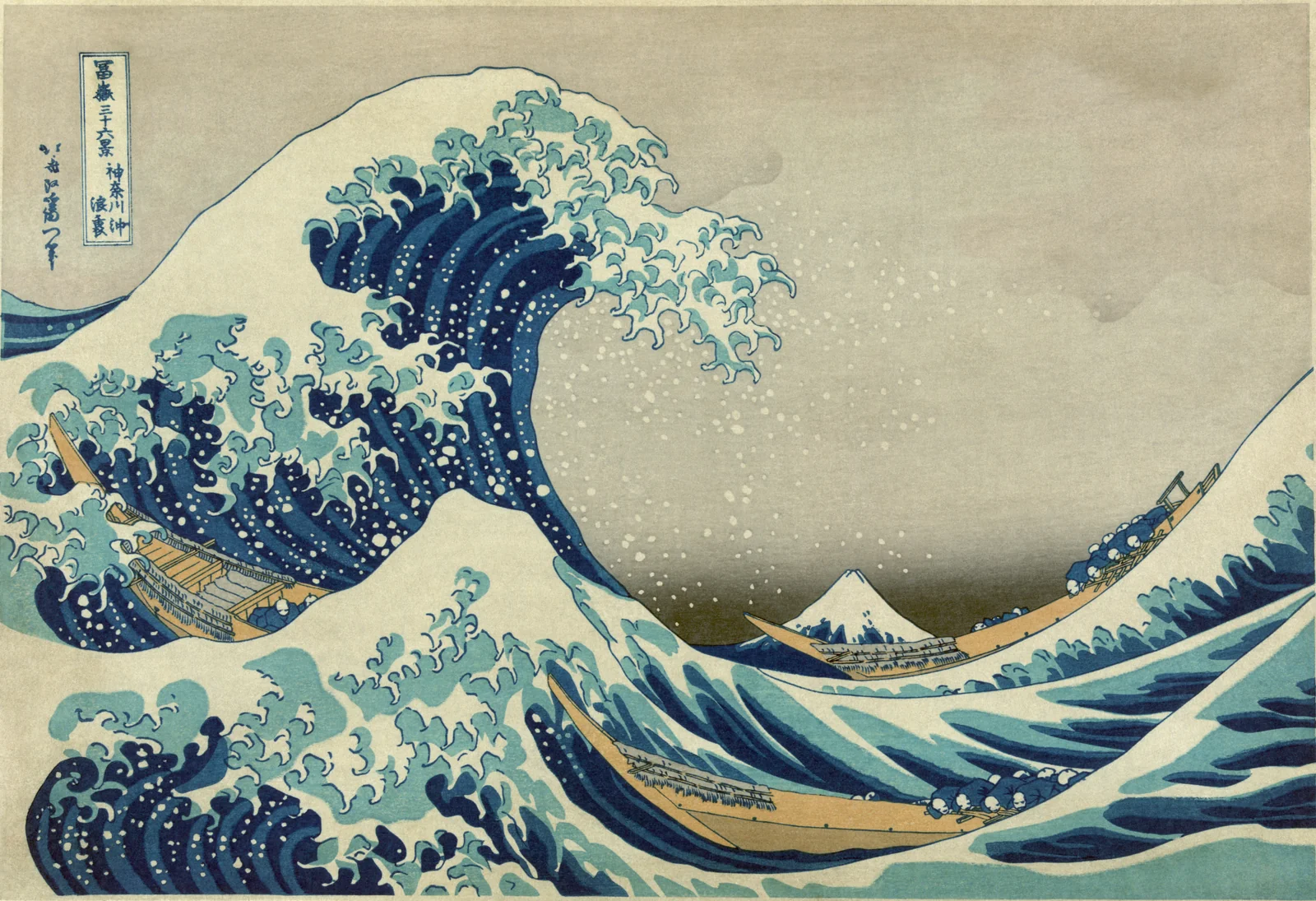
The design is the deliberate inverse of this site. Where pramod.ch is typographic and quiet, Open Museum.art is art-forward: a dark gallery surface, the chrome receding, the type doing only what it must, and every work shown full and letterboxed rather than cropped to fit a thumbnail. The point is to look at the art, not at the interface.
Open engine, product on top
The engine underneath is open. open-museum-mcp is the MIT-licensed federation core that searches the Met, Cleveland, the Art Institute of Chicago, Wikimedia Commons, and Europeana behind one normalised API, with strict rights verification. Open Museum.art is the product built on that open core: the search and print experience now, the artist and print-on-demand side next, and a natural-language agent layer when funding allows. The rights logic stays open and auditable; the product sits on top.
Built on the standard
Every result carries a Clearance Manifest, the open rights-clearance standard the engine emits. That is what makes print-on-demand of open-access work possible without guesswork: the proof that a work is free to use travels with the work itself.